

Surprisingly, the global market for laser engraving equipment is expected to reach billions by 2024, reflecting an increasing demand for precision and customization in manufacturing and creative industries. The quest for the best laser engraver is no longer a niche endeavor but a critical factor in a variety of sectors.
Laser engraving equipment offers an unparalleled level of detail and efficiency, leading to its widespread use across diverse applications. Understanding the types of laser engravers available is essential for businesses and individuals alike, whether they are seeking an engraving machine for sale for industrial part identification, artistic detailing, or personalization projects.
From the delicate touch required for personal keepsakes to the robust needs of industrial marking, the array of laser engraving machines provides solutions for almost any engraving task. Today’s market includes fiber, CO2, green, UV, Mopa, and dual-head laser systems, each boasting unique features that cater to specific materials and marking needs. This assortment ensures that whether you are etching metal, glass, or plastic, there’s a laser engraver precisely suited for the job.
Key Takeaways
- Diverse laser engraving machines meet a range of precision and customization needs across industries.
- Fiber laser systems are highly versatile, making them ideal for both metal and plastic etching.
- CO2 laser engravers excel with non-metallic materials and are a staple in creative applications.
- Specialized lasers like green and UV are pivotal for high-precision and delicate material markings.
- Mopa lasers bring color to the table with their ability to create varied hues in engravings.
- Dual-head laser systems ramp up production by operating two lasers at once, significantly boosting efficiency.
- The best laser engraver for a task depends on material type, usage, and specific industry standards.
Laser Engraving Technology and How it Works
The intricate world of laser engraving technology is revolutionizing the way we mark and personalize a wide array of materials. At its core, this innovative method employs a concentrated beam of light—fittingly referred to as a laser—to produce precise and lasting marks on surfaces. Whether it’s intricate text, logos, or even barcodes and serial numbers, the versatility of laser engraving is unparalleled.
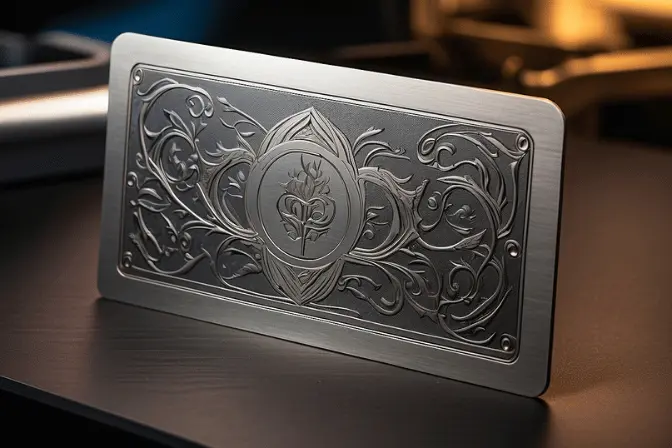
The magic unfolds as a laser beam is meticulously directed to a focal point, targeting only the desired area for engraving. The result is a clean, indelible mark that can withstand even the most rigorous conditions. The depth and nature of these engravings are determined by various laser types—fiber, CO2, green, and UV—all of which serve specific materials and marking requirements.
- Fiber lasers: Ideal for metals and some plastics, known for efficiency and precision.
- CO2 lasers: Best suited for non-metallic materials such as wood, glass, and acrylics.
- Green lasers: Perfect for highly reflective materials and delicate substrates.
- UV lasers: Specialized for fine markings and non-destructive engravings on sensitive materials.
Industries are taking advantage of both industrial laser engraving equipment and laser marking systems to achieve varying depths of marks. Surface etchings, typically around 0.0001 inches deep, are subtle yet visible, whereas deeper engravings surpass 0.005 inches, providing durability that can outlast even the harshest environments. This level of customization makes laser technology an indispensable tool for achieving compliance and traceability in industrial settings.
Understanding the operational subtleties of a laser engraving system is essential for any application that demands precision, permanence, and aesthetics.
As we continue to witness the expansion of laser marking machine roles across multiple sectors, it’s clear that only those with a comprehensive knowledge of the technology will fully harness its potential to innovate, customize, and enhance the way we interact with the material world.
The Versatility of Laser Engraving Equipment in Various Industries
Laser engraving services are revolutionizing how industries approach marking and customization. With advanced laser engraving machines, companies across different sectors are benefiting from the pinpoint precision and adaptability these technologies offer. For industries that value traceability, permanence, and the fines technical detail, the quest for the best laser engraver is continuous and ever-evolving. Below, we explore several industries where types of laser engravers have made a significant impact.
Automotive Industry Applications
In the automotive world, parts must be tracked, identified and comply with rigorous standards. Laser engraving machines excel in etching durable barcodes, serial numbers, and Vehicle Identification Numbers (VIN) onto various components. From sub-assemblies to the reflective surfaces of mirrors and the robust material of wheels, laser engraving services simplify compliance with standards such as those imposed by the National Highway Traffic Safety Administration (NHTSA).
Electronics Sector Markings
For the electronics sector, where components are often micro-sized and precision is non-negotiable, laser systems come to the forefront. They effortlessly replace traditional labels with permanent, tamper-proof markings on delicate circuit boards, serving as a robust weapon against counterfeiting and ensuring lifetime traceability of products.
Customization in the Consumer Goods Domain
Consumer goods manufacturers leverage laser engraving capabilities to offer an array of bespoke customizations. These precision-driven markings not only enhance a product’s appeal and value but also serve as a brand enhancement tool. Everything from promotional items to luxury goods can carry a distinctive mark or personalization, making laser engraving machines a cornerstone in consumer goods branding strategies.
Medical Device Traceability
Medical devices warrant meticulous traceability to meet stringent regulatory requirements. The medical industry finds solace in laser engraving services that enable immaculate and indelible markings on surgical tools and devices. Such engravings ensure patient safety, regulatory compliance, and allow for the easy recall of products when necessary. The trust placed in the best laser engraver reflects its critical role in maintaining the integrity of the medical supply chain.
Tips for Selecting the Right Laser Engraving Machines
Choosing the appropriate laser engraving system is a critical decision that can significantly impact the efficiency and output of your operations. With a plethora of options on the market, pinpointing the right laser engraving technology demands a thoughtful analysis of your needs and the capabilities of various machines. The following insights aim to guide you through the process of selecting an industrial laser engraving machine that aligns with your business objectives, ensuring that you secure an asset that delivers on both performance and reliability.
Understanding Laser Machine Specifications
Laser engraving machines, much like any advanced technology, come with a set of complex specifications that dictate their performance. Pay close attention to the laser’s power, speed, and precision capabilities. Industrial laser engraving machines designed for high-volume production require robust systems capable of operating at high speeds without compromising on quality. Factor in the size of the working area, as well—the larger it is, the more versatile the machine in accommodating various project sizes.
Material Compatibility with Laser Systems
The diversity of materials that you plan to engrave plays a pivotal role in the selection of a laser system. Ensure that the laser engraving technology you consider is compatible with the types of materials your business commonly uses, be it metal, plastic, glass, or wood. Each material interacts differently with laser wavelengths and power levels, thus dictating which laser engraving systems, such as fiber or CO2 lasers, will be most effective for your purposes.
Evaluating Laser Engraver Applications and Usage
Assessing the applications and expected usage of your laser marking machine is crucial for a worthwhile investment. Are you engraving intricately detailed designs or serial numbers for traceability? Will you need to accommodate a high throughput for mass production? Answers to these questions will guide you to a laser system calibrated to your specific use cases. A machine that’s too basic can limit your capabilities, while an overly complex system might not be cost-efficient for simpler tasks.
After-Sale Support and Training for Laser Engraving Systems
After the purchase, the journey with your laser engraving machine is just beginning. High-quality laser engraving services include substantial after-sale support and complete training sessions. Such support is instrumental in rapidly resolving any issues and ensuring continual operation. Training for your staff will maximize machine utilization, promote best practices, and extend the machinery’s lifespan, proving that the right support can significantly enhance the value of your investment.
FAQ
What are the most common types of laser engraving equipment?
The most common types of laser engraving equipment include fiber laser engravers, CO2 laser engravers, green laser systems, UV laser systems, Mopa engravers, and dual-head laser machines. Each type has specific applications based on the materials they can efficiently process and the level of precision required for the engraving task.
How does laser engraving technology work?
Laser engraving technology uses concentrated light energy to permanently alter the surface of a material. A laser beam, controlled by a computer, is directed to a focal point on the material surface. Depending on the type of laser and settings used, it can mark, etch, or engrave various patterns such as text, logos, barcodes, and images with high precision.
What are some applications of laser engraving machines in the automotive industry?
In the automotive industry, laser engraving machines are utilized for part identification, traceability, and adherence to compliance standards. They can mark barcodes, serial numbers, and Vehicle Identification Numbers (VIN) on various components, including sub-assemblies, mirrors, and wheels.
How are laser systems used in the electronics sector?
Laser systems in the electronics sector are employed for permanent traceability and identification of components like circuit boards. They also enhance security by creating complex patterns and images that help prevent counterfeiting of electronic parts and products.
What role does laser engraving play in the consumer goods domain?
In the consumer goods domain, laser engraving adds value through personalization and branding. Items such as gifts, ornaments, and other consumer products can be customized with engravings of names, special dates, or logos using laser technology, making them unique and enhancing their market appeal.
Why is laser engraving important in the medical industry?
Laser engraving is critical in the medical industry for ensuring traceability and compliance with health and safety standards. Accurate and permanent markings on medical devices and instruments are essential for regulatory adherence and patient safety.
How do I understand laser machine specifications when selecting a laser engraver?
When selecting a laser engraver, it’s important to review machine specifications like power output, wavelength, marking speed, and system size. Understanding these specifications will help you determine the machine’s compatibility with intended materials and its capacity to meet the demands of the intended application.
How do I determine material compatibility with laser systems?
Material compatibility with laser systems is determined by the type of laser and the material’s properties. For example, fiber lasers are well-suited for metals and plastics, CO2 lasers are better for non-metallic materials, while UV lasers can be employed for high-precision markings on sensitive materials without causing damage.
How can laser engraver applications and usage be evaluated?
Evaluating laser engraver applications and usage involves understanding the task requirements, such as the level of detail in the engraving, the type of materials being engraved, and the volume of production. Consulting with laser engraving services can also provide valuable insights into the most appropriate machines for specific purposes.
Why is after-sale support and training important for laser engraving systems?
After-sale support and training are crucial for ensuring the laser engraving systems are used to their highest potential and maintained properly. These services can guide users through the proper setup, operation, and troubleshooting processes, which extends the lifespan of the equipment and improves the quality of the engravings.

Leave a Reply