What is Laser Engraving?
In today’s fast-paced world of manufacturing, personalization, and artistry, Laser Engraving has emerged as a cutting-edge technology that marries precision with creativity. Whether you’ve received a personalized wooden gift, seen detailed designs etched into metal, or marveled at the artistry on a wooden sign, you’ve encountered the wonders of laser engraving. In this article, we’ll delve into the fascinating world of engraving, exploring its technology, applications, and the captivating blend of art and precision it offers.

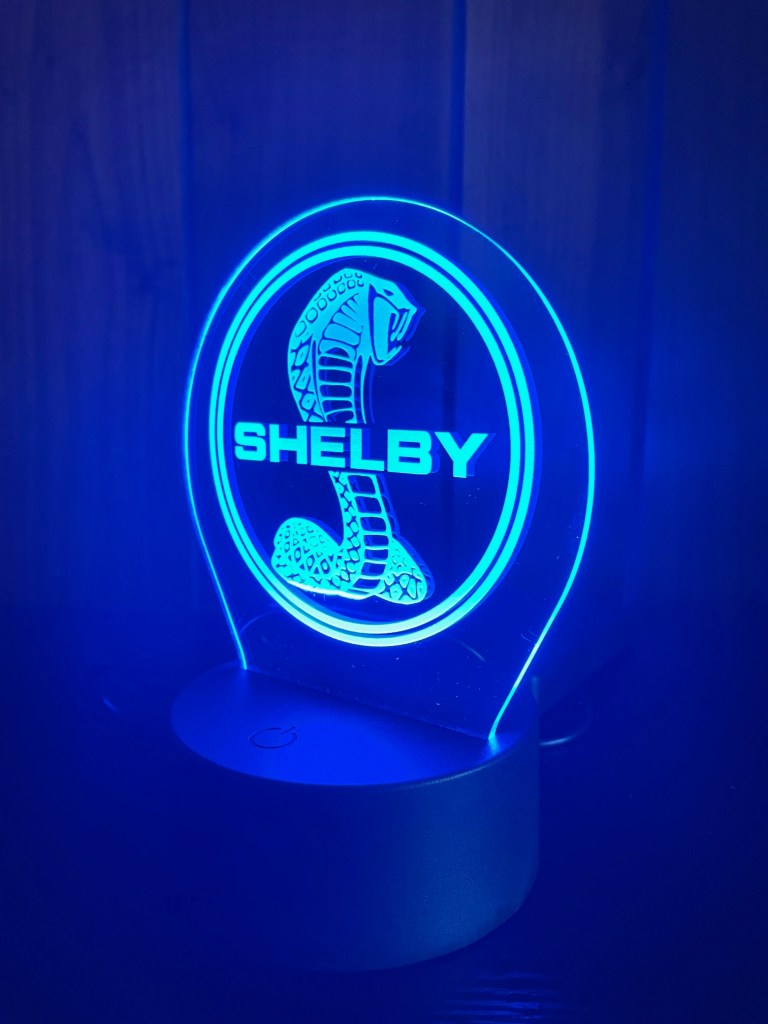
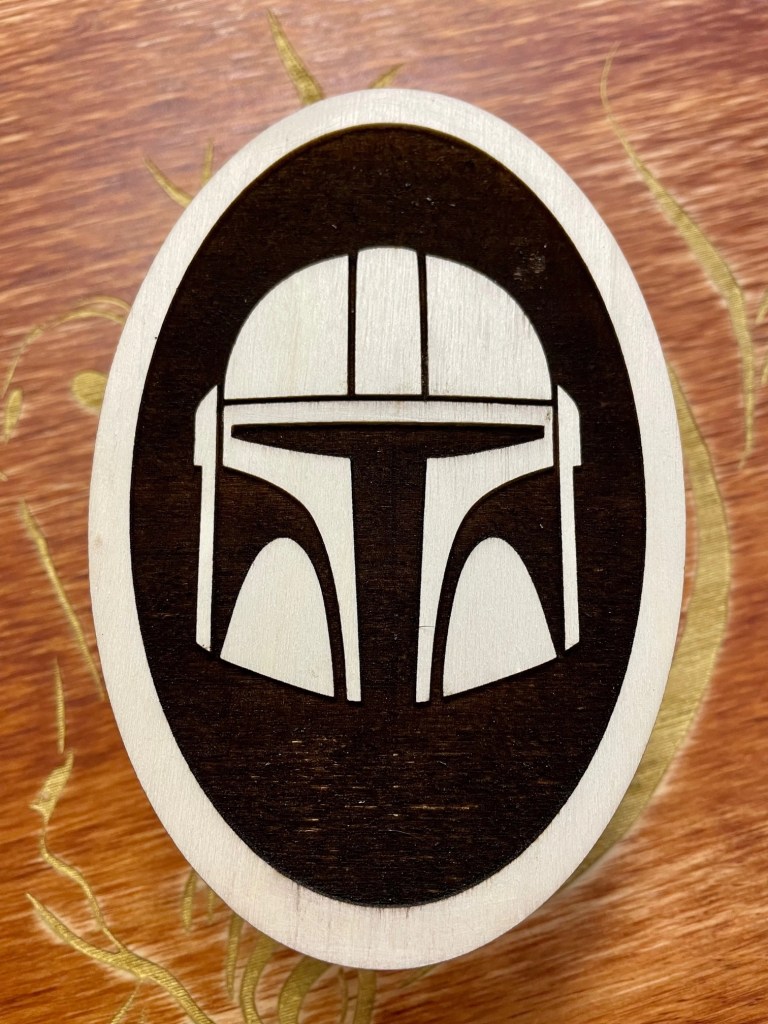
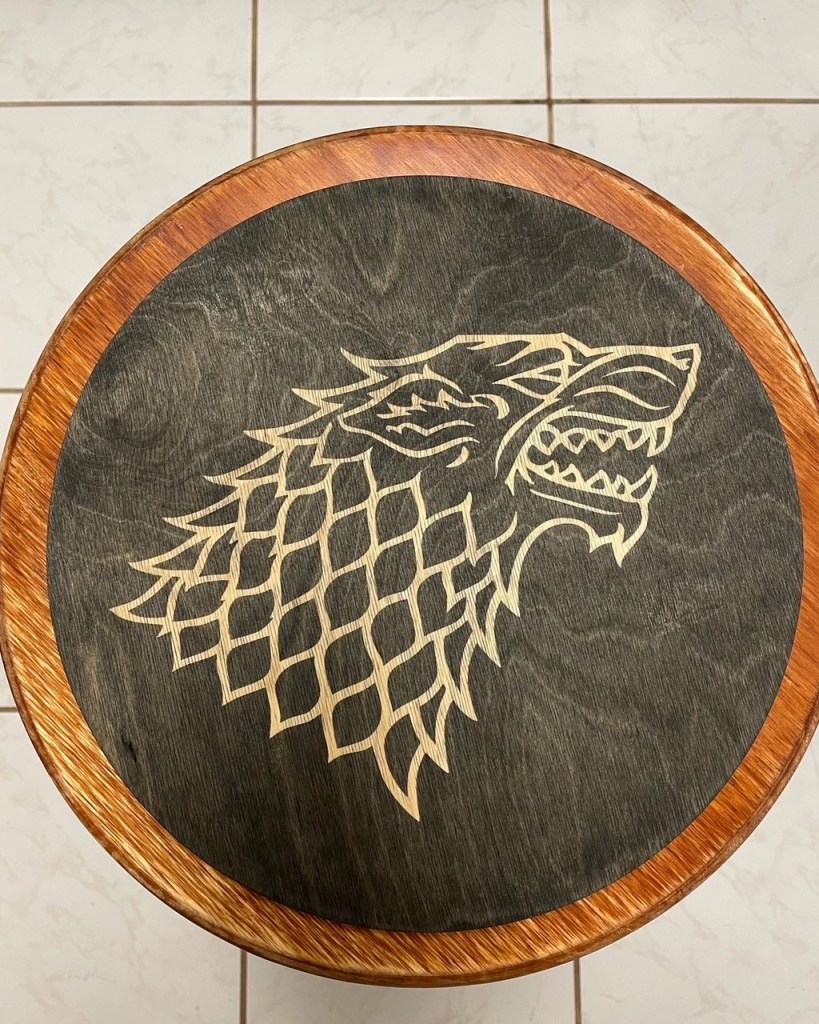
The Evolution and Technological Advancements of Laser Engraving
The journey of laser engraving begins with its precursor—manual engraving. For thousands of years, humans used basic tools to etch designs and markings onto various materials. Initially, simple stones served this purpose; eventually, metal styluses became the standard.
As we moved towards industrialization, different techniques like dot peening and roll marking emerged, yet these methods were soon overshadowed by the revolutionary concept of the laser, initially theorized by Albert Einstein in 1916. It wasn’t until the mid-20th century that laser technology became practical for industrial uses.
Theodore Maiman and Gordon Gould played pivotal roles in the development of laser technology. Maiman’s creation of the first optical laser, coupled with Gould’s development of laser light, marked significant steps forward. In 1965, Western Electrics introduced the first laser machine, setting the stage for further advancements in lasers’ applications, including engraving.
The real game changer arrived with the invention of CO2 lasers in 1967. These lasers paved the way for more precise and efficient engraving processes. Subsequent advancements have led to the development of other laser technologies, such as UV and MOPA lasers, which offer even greater precision and versatility.
Today, laser engraving represents a blend of historical technique and modern innovation, providing unparalleled precision and efficiency in marking and decoration.
The Art of Laser Engraving
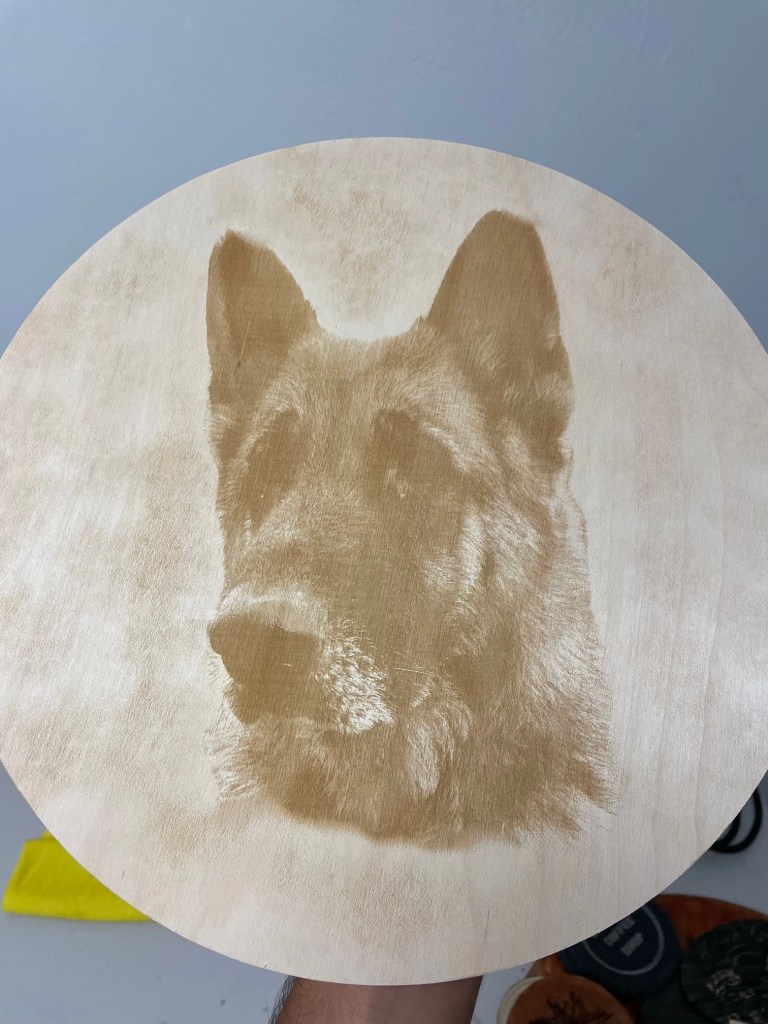
“Laser engraving is a revolutionary method of etching designs onto various materials, ranging from wood and acrylic to glass and metal. It employs high-powered laser beams to achieve an extraordinary level of precision, accuracy, and intricacy that traditional methods struggle to match.
Unmatched Precision and Accuracy
Using focused laser beams, laser engraving delivers detailed markings that are perfect for intricate designs and small text. This level of precision surpasses traditional methods such as manual engraving or dot peening, particularly beneficial in industries like electronics where detailed and consistent results are essential.
Speed and Efficiency
In addition to its precision, laser engraving is known for its speed. It outpaces traditional marking methods like dot peening, scribing, and inkjet marking. Machines equipped with advanced features, such as automation and parameter adjustments, enhance process efficiency, making laser engraving a favored choice for high-volume applications.
Superior Finish Quality
The precision of laser engraving ensures a clean, sharp finish without burrs or rough spots. This high-quality finish is crucial for products that require a high aesthetic value, setting laser engraving apart from more abrasive traditional methods.
Non-Contact, Clean Process
A significant advantage of laser engraving is its non-contact nature. The laser beam does not touch the material, preventing contamination or distortion of the workpiece’s properties. This is a clear benefit over methods like dot peening or inkjet marking, which can compromise material integrity.
Flexibility in Design
Moreover, the flexibility of laser engraving allows for the creation of complex and custom designs on a variety of materials. Whether you’re working with delicate jewelry or robust industrial components, laser engraving offers the versatility needed for diverse applications.”
The Science Behind It
At the heart of laser engraving is the concept of focusing intense light energy onto a precise point. This energy is so concentrated that it can effectively vaporize or ablate the material’s surface, leaving a permanent mark. The precision of this process is owed to the laser’s ability to precisely control the energy output, depth, and speed, allowing for complex and detailed designs.
Understanding the Differences Between Fiber Lasers and CO2 Lasers
When comparing fiber lasers and CO2 lasers, several key distinctions come into play, particularly in terms of wavelength, material compatibility, efficiency, and maintenance.
Wavelength and Material Compatibility
- Fiber Lasers
Operating at approximately 1064 nanometers, fiber lasers are specifically designed to excel with metals. Their shorter wavelength allows for precise cutting and engraving on various metallic surfaces, making them ideal for industrial applications. - CO2 Lasers
These lasers function at a longer wavelength, around 10.6 micrometers. This characteristic makes CO2 lasers particularly well-suited for cutting and engraving non-metal materials, including wood, acrylic, glass, and fabric. The wider beam effectively handles organic and synthetic materials.
Efficiency and Maintenance
- Fiber Lasers
Known for their efficiency, fiber lasers consume less power compared to their CO2 counterparts. They are also renowned for lower maintenance needs, thanks to their more robust design and lack of mirrors or moving parts prone to misalignment. - CO2 Lasers
While still effective, CO2 lasers generally require more upkeep. Their performance can decline if mirrors or lenses deviate from optimal alignment, and they often demand more frequent calibrations and part replacements.
Longevity
- Fiber Lasers
The advanced technology in fiber lasers grants them a longer operational lifespan. They typically outlast CO2 lasers, making them a cost-effective option over time for businesses with high demand. - CO2 Lasers
Although reliable, CO2 lasers tend to have a shorter lifespan, necessitating more frequent attention or eventual replacement depending on usage intensity.
In summary, choosing between fiber and CO2 lasers often hinges on the specific material application, desired efficiency, and maintenance management. Each type offers unique advantages that can cater to different industrial or creative needs.
How Does Laser Engraving Differ from Laser Cutting?
Laser engraving and laser cutting serve distinct purposes in material processing, though both harness the power of a laser beam. Understanding these differences can help in choosing the right technique for your project needs.
Laser Engraving: Precision Marking
Laser engraving is a process that focuses on creating intricate designs on the surface of a material without cutting through it. By vaporizing or melting the surface layer, it leaves a permanent mark that can be used for personalization or aesthetic enhancement. This method is ideal for customizing items like trophies, jewelry, and promotional products with logos or detailed artwork. Typical materials used in laser engraving include metals, plastics, glass, and ceramics.
Laser Cutting: Precision Shaping
On the other hand, laser cutting involves slicing through a material completely. The laser beam’s intense focus allows it to melt, burn, or vaporize the material, resulting in precise, clean edges. This technique is crucial in manufacturing and fabrication tasks where shapes need to be accurately cut from materials such as wood, acrylic, fabric, and various metals. Industries ranging from automotive to fashion heavily rely on laser cutting for creating components and products.
Key Differences
- Purpose: Engraving is for marking, while cutting is for separating materials.
- Outcome: Engraving results in surface designs, whereas cutting creates separate pieces.
- Applications: Engraving thrives in detailed personalization; cutting excels in manufacturing and prototyping.
By leveraging these distinct capabilities, industries can enhance product quality, streamline production processes, and achieve detailed customization.
Versatile Applications
Laser engraving offers an astonishing array of applications, making it a versatile and indispensable tool for both personal and professional use. Let’s explore some of its common applications:
- Personalized Gifts
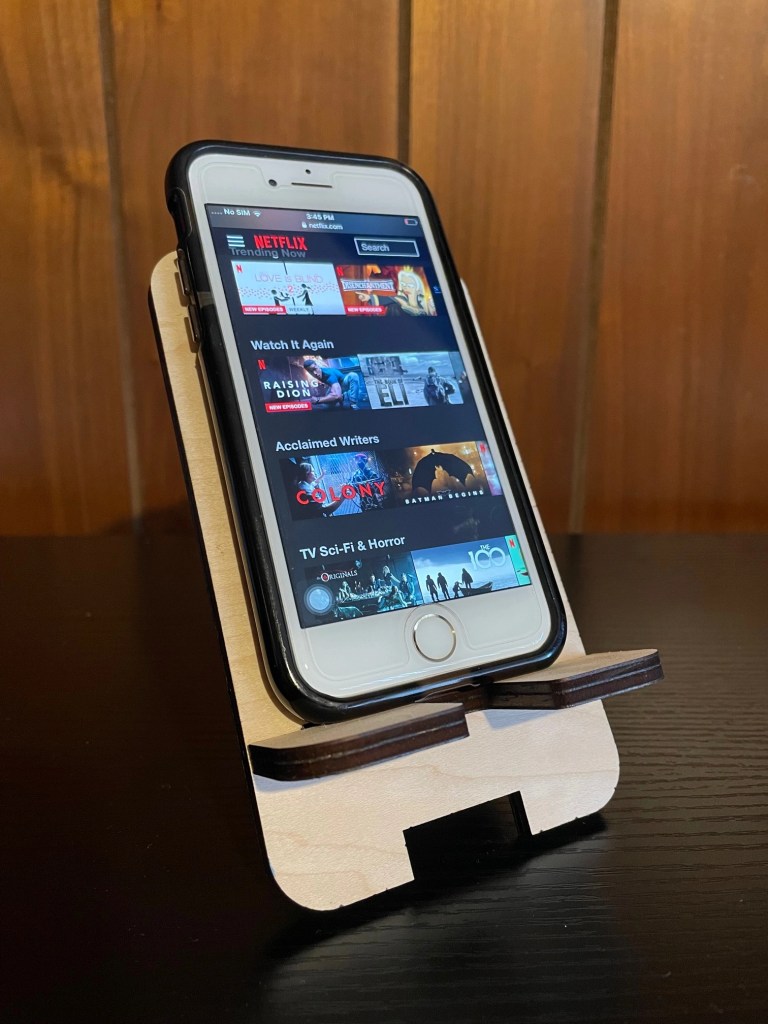
One of the most heartwarming applications is the creation of personalized gifts. Whether it’s a wooden photo frame with a heartfelt message or a custom-engraved piece of jewelry, the precision of a laser adds a touch of elegance and sentiment to these tokens of love and appreciation.
- Business Branding
Many businesses turn to laser engraving for their branding needs. From promotional materials like pens and keychains to product labeling and signage, laser engraving ensures that each item aligns perfectly with the brand’s image. The results are professional, consistent, and eye-catching.
- Woodworking
In the realm of woodworking, laser engraving has opened new horizons. Craftsmen use it to add intricate designs to wooden furniture, decorative pieces, and even musical instruments. The precision and depth control provided by lasers empower artists to explore their creativity to the fullest.
- Art and Craft
Artists and craft enthusiasts have embraced engraving as a medium for creating intricate and detailed designs. Whether it’s adding an artistic touch to a wooden sculpture or engraving complex patterns on leather, the laser’s precision allows for the realization of intricate visions.
- Awards and Trophies
Laser engraving is the go-to method for adding elegance to awards, trophies, and plaques. The precise inscriptions and designs contribute to the memorability of these honors, making them even more special.
The Tools of the Trade
To embark on a journey into laser cutting, etching, or engraving, one must first acquire the necessary tools. These include the laser machine, design software, and, of course, the material to be engraved.
Laser Engraving Machines
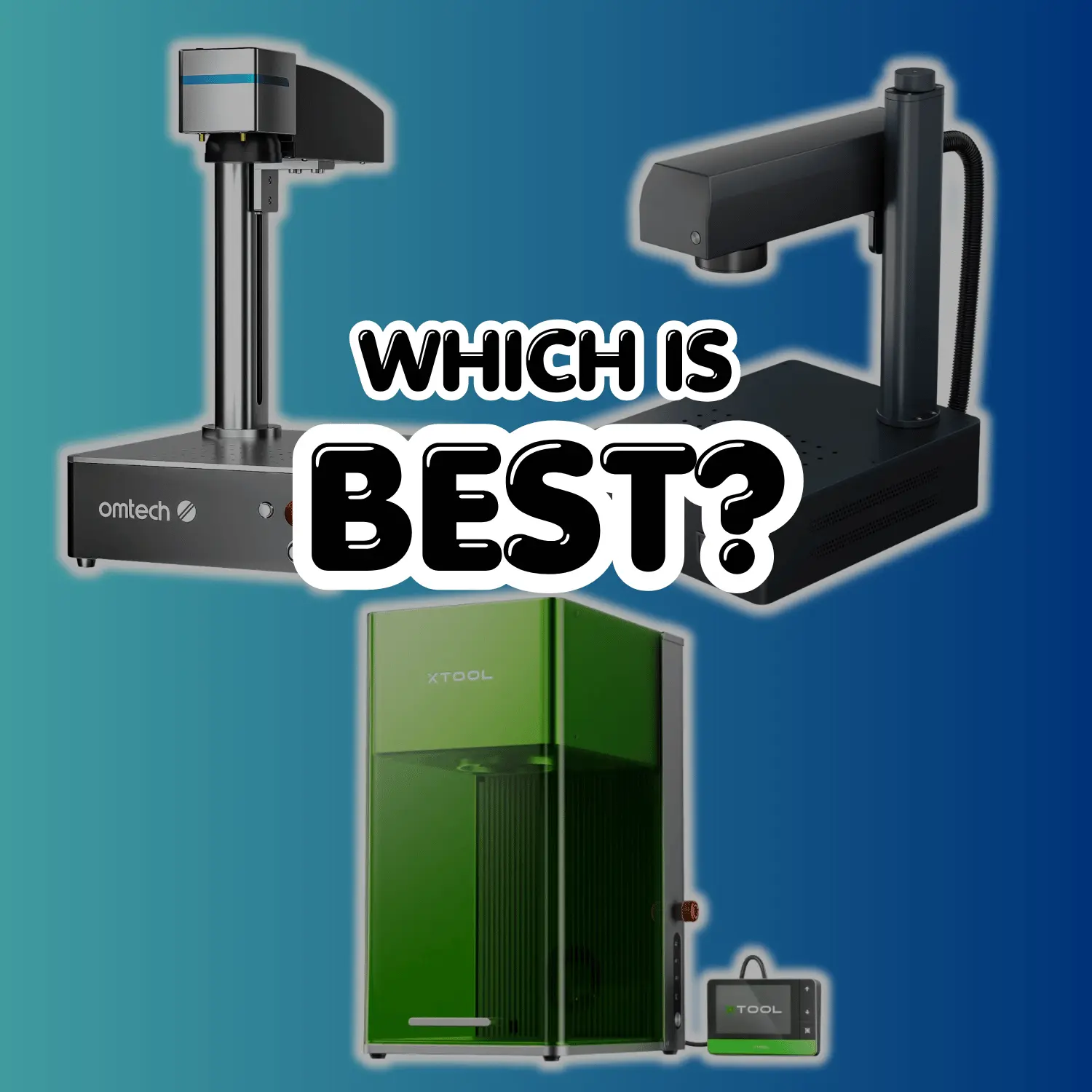
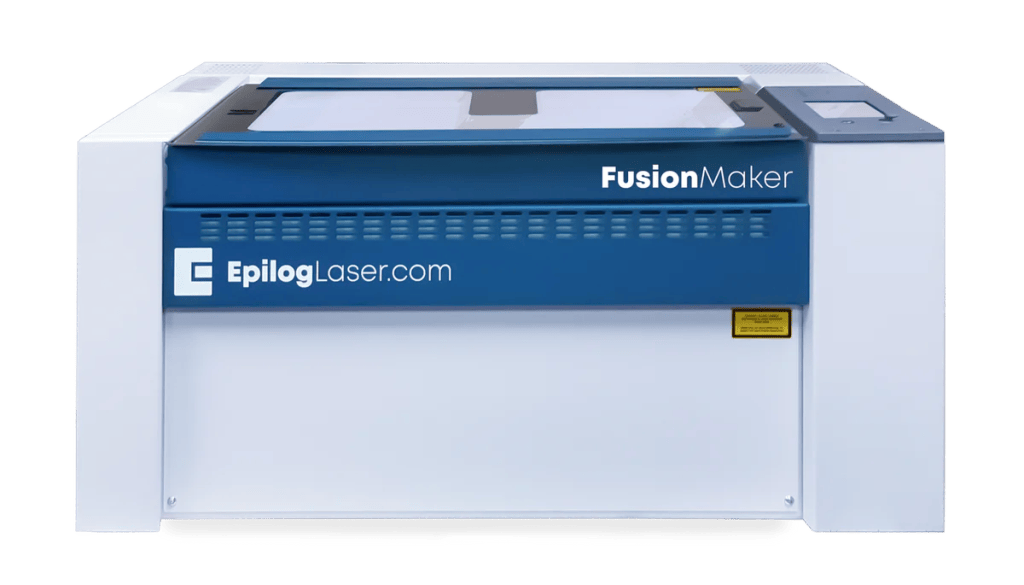
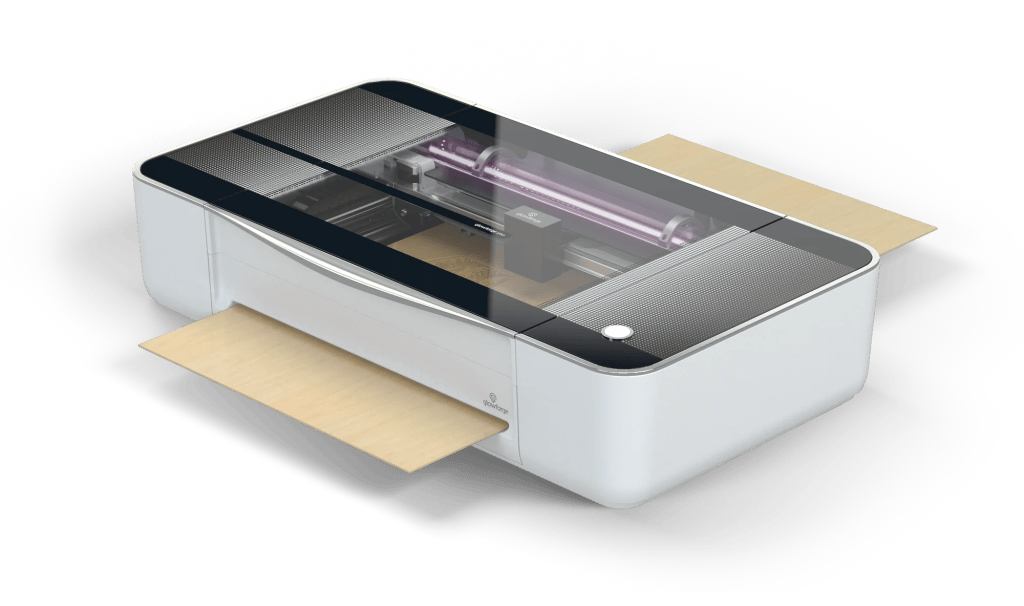
Laser engraving machines come in various sizes and power levels, catering to a broad spectrum of projects. Some popular options include Epilog Laser, Glowforge, and OMTech Laser platform. The choice of machine depends on the complexity and size of your projects.
View our recommended Machines here: OMTech Laser
Get an exclusive omtech discount code here: OMTech Discount Code

Design Software
Selecting the right design software is essential. Software such as Adobe Illustrator and CorelDRAW offer a wide array of tools for creating and customizing designs. For those focusing exclusively on laser engraving, specialized software like LightBurn provides precise control over the laser’s movements.
Materials for Laser Engraving
Laser engraving is not limited to a single material; it can be applied to various substances. Some common materials for engraving include wood, acrylic, leather, glass, and metal, each offering distinct characteristics and challenges for engravers to explore.
Laser engraving on curved surfaces is indeed possible, though it often involves additional considerations to achieve precise results.
Key Solutions for Engraving Curved Objects
- Rotary Attachments: Many laser engraving machines offer rotary attachments. These devices securely hold cylindrical or round objects and rotate them during the engraving process. This ensures uniform engraving around the surface without distortion.
- 3D Capabilities: Advanced laser engravers have 3D capabilities that can automatically adjust the focal length and laser path. This technology allows the engraver to maintain consistent quality, even on irregular or uneven surfaces.
- Adjustments and Equipment: Depending on the complexity of the curve, you might need to make specific adjustments or use specialized equipment. This can include tweaking the software settings to maintain optimal laser focus and intensity.
In summary, while laser engraving on curved surfaces requires some additional steps and equipment, it’s entirely feasible with the right tools and technology.
What is the Lifespan of Laser Engravings on Different Materials?
Laser engravings have varying lifespans, largely influenced by the type of material and the conditions to which they are exposed.
- Metal Engravings: When it comes to metals like stainless steel, laser engravings are highly durable. These materials are resistant to corrosion, which means the engravings can last for an extended period, potentially a lifetime.
- Plastic Engravings: The longevity of engravings on plastic can differ significantly. While high-quality engineered plastics may retain engravings well, exposure to UV light or extreme temperatures can lead to quicker degradation.
- Wood Engravings: Engravings on wood can be beautiful, yet their durability isn’t as robust as metal. Environmental factors such as moisture and sunlight can lead to fading or wear over time.
Overall, the durability of a laser engraving is tied to the material it’s on and how well it’s protected from adverse conditions. For lasting results, metal is often the preferred choice.
The Laser Engraving Process
The process of an engraving involves several stages, from design creation to the final engraving. These stages include:
- Design Creation: The journey begins with creating or customizing the design using design software. Whether it’s text, patterns, or intricate images, this step is where your vision takes shape.
- Material Preparation: Depending on the material, it may need to be cut to the right size and properly secured within the laser machine.
- Laser Settings: Configuring the laser settings is crucial for achieving the desired depth and precision. This involves selecting the appropriate laser power, speed, and focus.
- Test Engraving: Before proceeding with the final project, it’s wise to conduct a test engraving on a piece of scrap material. This allows for fine-tuning the settings to ensure the best results.
- Final Engraving: Once satisfied with the test, proceed with the final engraving. The laser moves precisely according to the design, etching it onto the material.
- Finishing: After the engraving is complete, remove the engraved item and apply any necessary finishes, such as varnish or protective coatings, to enhance its appearance and durability.
Safety First
Working with a laser machine requires strict adherence to safety measures. Key precautions include:
- Laser Safety Glasses: Always wear laser safety glasses designed for the specific laser you’re using. They protect your eyes from potentially harmful laser radiation.
- Ventilation: Ensure proper ventilation in your workspace to disperse any fumes or particles generated during the engraving process.
- Guidelines: It’s imperative to follow the manufacturer’s safety guidelines provided in the user manual for your specific laser engraving machine.
Disadvantages and Limitations of Laser Engraving
When considering laser engraving, it’s crucial to weigh its limitations alongside its advantages. Here are some key disadvantages:
1. Requirement for Specialized Knowledge
Operating a laser engraver effectively isn’t as simple as pressing a button. Mastery of its various settings, such as laser intensity and speed, is necessary. Additionally, understanding potential issues and troubleshooting requires technical knowledge, which can be a hurdle for small businesses or individuals lacking trained personnel.
2. High Initial Investment
Acquiring a laser engraver can be a significant expense, especially for high-end models. This considerable initial financial outlay can deter small enterprises or hobbyists. Many opt to outsource engraving tasks to professional services as a cost-effective alternative.
3. Ongoing Operational Costs
The expenses don’t stop at purchase. Maintaining a laser engraver involves routine maintenance, replacing worn-out parts, and accounting for energy consumption. Keeping the equipment in top condition incurs regular costs, which can affect the overall budget.
4. Restriction to 2D Designs
While laser engraving excels at creating detailed surface designs, it cannot produce three-dimensional structures. This limitation means that projects requiring substantial depth or intricate 3D features must seek other fabrication methods to achieve the desired outcome.
Conclusion
In conclusion, laser engraving is a captivating art form that allows individuals and businesses to express their creativity with precision and style. It merges the power of technology with the finesse of craftsmanship, offering a world of artistic possibilities. Whether it’s personalized gifts, business branding, or intricate artwork, laser engraving unlocks endless creative avenues. It’s more than an art; it’s an exploration of precision and innovation.
Frequently Asked Questions (FAQs)
Q: What materials can be laser engraved?
A: Materials that can be engraved include wood, acrylic, leather, glass, metal and much more. This versatility enables the creation of a wide range of designs.
Q: How deep can an engraving go?
A: The depth of an engraving can be adjusted by controlling the laser’s power and focus. This precision allows engravers to achieve varying depths, from surface markings to deeper engravings.
When it comes to maximum depths, the type of laser and material make a significant difference. Fiber lasers are capable of reaching depths between 1.0 to 1.5 millimeters in metals. On the other hand, CO2 lasers can achieve similar depths in non-metal materials like wood or acrylic.
By understanding these variables, you can tailor the engraving process to suit different project requirements, ensuring optimal results whether you’re working with metals or non-metals.
Q: Is laser engraving suitable for beginners?
A: Yes, many laser machines are designed with beginners in mind. They come with user-friendly software and features that make the art accessible to those new to the craft.
However, it’s important to recognize that the process can still vary in difficulty. Factors such as the material you’re working with and the complexity of your design can influence the level of challenge. For those just starting out, understanding machine settings, material compatibility, and safety procedures can present initial hurdles.
Fortunately, with proper training and practice, these challenges become manageable. Many resources are available to help beginners navigate these aspects, ensuring a smoother learning curve and a rewarding engraving experience.
Q: What design software is suitable for laser engraving?
A: Design software such as Adobe Illustrator, CorelDRAW, and specialized laser software like LightBurn are popular choices. They provide the tools needed to create, customize, and control your designs.
Q: What are the maintenance requirements for a laser engraving machine?
A: Regular maintenance includes cleaning the lens and mirrors, following the manufacturer’s instructions, and keeping the machine free from dust and debris for optimal performance.
Q: Are there different types of laser engraving machines?
A: Exploring Laser Engraving Machine Types
When choosing a laser engraving machine, understanding the different types available and their unique features is crucial. Yes, machines come in various sizes and power levels, catering to different projects. Popular options include OMTech Laser, Epilog Laser, Glowforge, and xTool platforms. The choice depends on the complexity and size of your projects. Here’s a deeper dive into the types of laser engraving machines and what sets them apart:
Fiber Lasers
Fiber lasers are renowned for their versatility and strength, with power levels ranging from 20 to 50 watts. These machines excel in precision marking across a wide array of materials, thanks to their advanced filtration of monochromatic light beams. They deliver high-quality, durable beams suitable for complex surfaces but are less effective on thick or reflective surfaces.
CO2 Lasers
Featuring a 10,600nm wavelength, CO2 lasers are ideal for engraving organic materials like wood, glass, ceramics, and plastics. They can also engrave metals with a special marking agent for a permanent, high-contrast mark. While versatile, their high initial cost and maintenance needs make them a significant investment, and they tend to consume more energy with longer processing times.
UV Lasers
Operating at a 355nm wavelength, UV lasers use ultraviolet rays to generate minimal heat, perfect for materials with low thermal thresholds. These lasers are particularly suited for the electronics industry, engraving circuit boards and microchips efficiently. Their lower power level, however, limits their use on tougher materials like metals.
YAG Lasers
Compact and lightweight, YAG lasers are popular for marking thin metal sheets such as aluminum and steel. They produce low-power beams, preventing material distortion during marking. These machines are a go-to for projects involving delicate metals.
MOPA Laser Machines
MOPA lasers share similarities with fiber lasers in design but differ internally, offering high power efficiency through Master Oscillator Power Amplifier technology. With a frequency that amplifies to 2700KHZ, they are versatile, ideal for:
- Multiple color markings on stainless steel.
- High-contrast black marking on anodized aluminum.
- High contrast marking on plastics.
Each type of laser engraving machine offers distinct advantages tailored to specific needs. Understanding these differences enables you to choose the right machine for your projects, ensuring precision and efficiency in your work.
Q: How does laser engraving compare with other laser marking techniques like laser etching?
Comparing Laser Engraving with Laser Etching
When considering laser marking techniques, laser engraving and laser etching are two popular choices that offer distinct characteristics.
Depth and Durability
One of the main differences lies in the depth of the mark each method produces. Laser engraving removes material from the surface, creating deep marks that can range from 1.0 to 1.5 millimeters. This depth makes engraving particularly durable, ideal for applications requiring longevity. On the other hand, laser etching only melts the surface, producing shallower marks up to 0.001 inch deep. Although more superficial, these marks can provide higher contrast due to their slightly raised nature.
Material Removal
The extent of material removal is another crucial factor. Laser engraving vaporizes part of the material, leading to a more substantial alteration of the surface. This comprehensive removal contributes to the method’s tactile and visual depth. Conversely, laser etching removes less material, resulting in rapid processing times and minimal impact on the structural integrity of the component.
Contrast and Visual Appearance
Regarding visual contrast, laser etching often excels due to the way it raises the material surface, creating a striking look that can stand out, especially on metals and other hard materials. Laser engraving, while not as contrasting, provides clarity and precision that can withstand wear over time.
In summary, the choice between laser engraving and laser etching primarily depends on the desired depth, durability, and visual impact of the mark. Engraving is optimal for long-lasting applications, while etching is suitable for quick, high-contrast results.
Remember, your creative journey with laser engraving begins with exploration. So, if you’re ready to delve into this world of precision and innovation, seize the laser and etch your imagination onto a canvas of materials.
NOTE: we may receive an affiliate commission when clicking on a link or applying a discount/coupon code.